
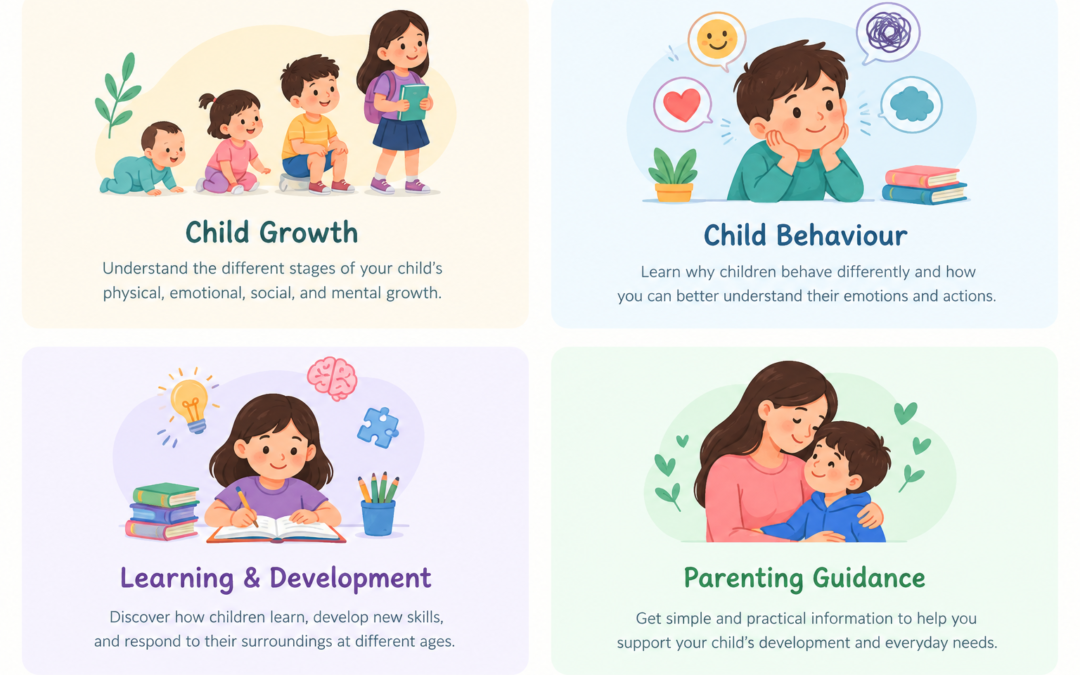
Understanding your child is an important part of parenting and child development. Every child is unique and has their own thoughts, feelings, interests, abilities, and ways of learning. Some children express their feelings openly, while others may need more time and support to share what they feel. Parents and teachers should observe children’s behaviour, listen to their concerns, and try to understand the reasons behind their actions. A child’s behaviour can be influenced by their family, school, friends, experiences, and surrounding environment. Instead of comparing children with others, adults should appreciate their individual strengths and provide guidance according to their needs.
know more
Understanding a child also means supporting their emotional, social, cognitive, and physical development. Children need love, patience, encouragement, and a safe environment where they can ask questions and express themselves freely. When parents communicate openly with their children, they can build trust and help them develop confidence. Positive discipline, active listening, play, and age-appropriate activities can also support healthy development. Every child develops at their own pace, so parents should avoid making assumptions based on a single behaviour. By understanding children’s feelings and needs, adults can help them become confident, responsible, and emotionally healthy individuals.